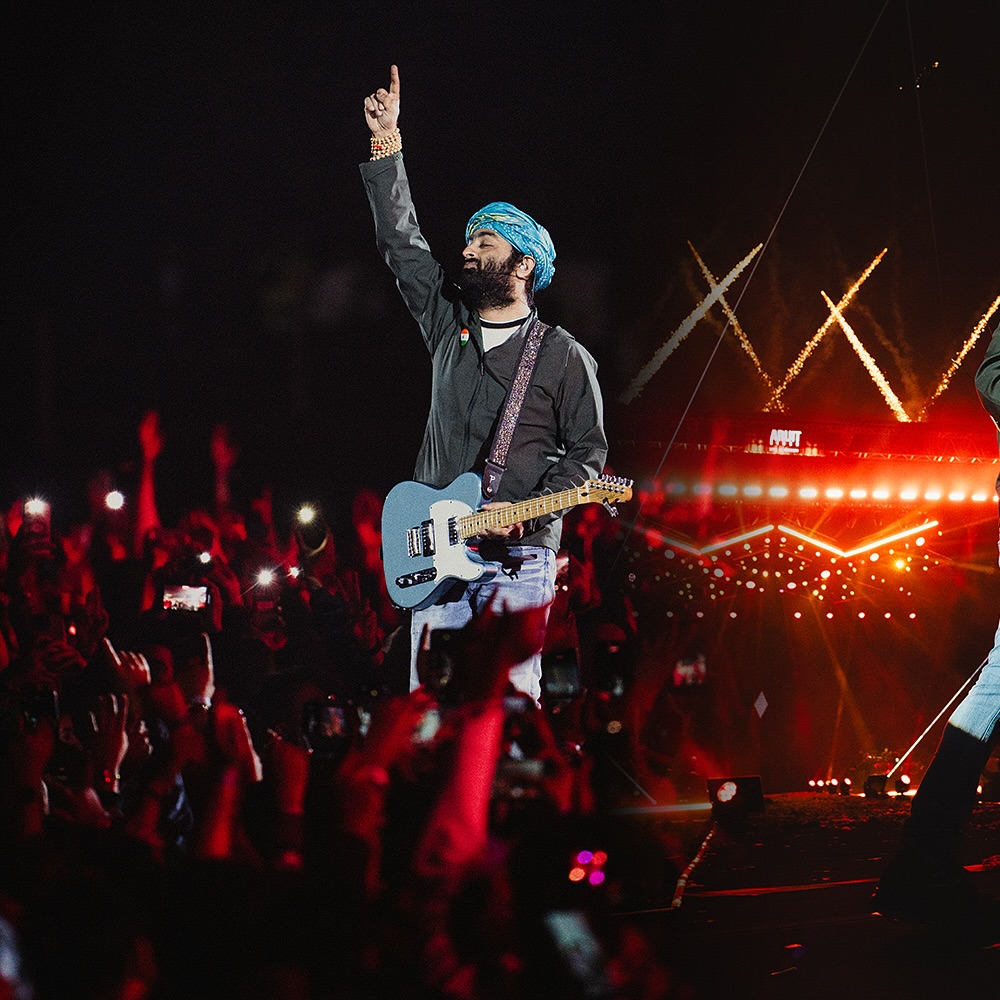
Planning a large-scale event isn’t as simple as just booking a venue and sending out invitations. It’s a finely tuned process that requires creativity, precision, and a team of dedicated professionals working behind the scenes to ensure everything runs smoothly. At Scope Entertainment, we specialize in bringing large events to life, and we want to take you behind the scenes to show you how we do it.
Step 1: Understanding the Vision
Every successful event begins with a clear vision. Whether it’s a corporate conference, a charity gala, or a massive music festival, we start by collaborating with our clients to understand their goals. What is the purpose of the event? What kind of atmosphere do they want to create? What message do they want to convey?
We spend time getting to know our clients’ brand, values, and objectives so we can deliver an event that truly reflects their vision. From there, we define the event’s theme, format, and key elements, ensuring everyone is on the same page from the start.
Step 2: The Logistics of Location and Timing
Once we have the vision, it’s time to think about the logistics. Choosing the right venue is crucial, especially for large-scale events. We consider factors like accessibility, capacity, amenities, and technical capabilities. Are we hosting 500 people in a ballroom or 5,000 in an outdoor stadium? The venue’s size and infrastructure must be suitable for the type of entertainment and activities we have in mind.
At the same time, we carefully map out the timeline for the event – when it should start, what time each activity should occur, and how long it will run. A clear, organized schedule is essential to ensure everything flows seamlessly.
Step 3: Curating Entertainment and Attractions
Entertainment is at the heart of any great event, and large-scale events require a diverse lineup that can keep guests engaged throughout the day or night. Whether it’s live performances, guest speakers, interactive experiences, or immersive installations, we work with talented entertainers and partners who can provide something special for every type of audience.
We curate entertainment that fits the event’s theme and atmosphere, ensuring that every guest has an unforgettable experience. We also account for the technical requirements of each performance, such as sound, lighting, and stage design.
Step 4: Vendor Coordination and Contracting
With a large-scale event, there are a lot of moving parts. We work closely with a network of trusted vendors, including caterers, florists, AV specialists, and transportation providers, to make sure everything runs smoothly. Each vendor needs clear instructions and
expectations, and it’s our job to ensure they deliver their services on time and to the highest standards.
This step involves negotiating contracts, confirming logistics, and keeping all vendors in the loop to avoid any last-minute surprises. Coordination is key – when everything is synchronized, it ensures the event will run like clockwork.
Step 5: Tech and Equipment Management
In today’s event landscape, technology plays a crucial role in delivering high-quality experiences. Whether it’s state-of-the-art sound systems, LED screens, or interactive mobile apps, we ensure the tech is top-notch and integrates seamlessly with the event’s activities.
For large-scale events, we also take care of security systems, lighting design, and live streaming for virtual or hybrid events. Having the right equipment and tech support ensures that there are no hiccups when the lights go down and the entertainment begins.
Step 6: Managing the Event Day
The big day has arrived – and it’s time for everything to come together. This is when our team’s experience shines. On event day, we arrive early, oversee the setup, and ensure that all elements are in place. We manage the flow of the event, troubleshoot any issues that arise, and make real-time adjustments to keep things on track.
Our team works behind the scenes to handle logistics, direct staff, and manage any last-minute details so our clients can focus on enjoying the event without stress.
Step 7: Wrapping Up and Reflecting
After the event, we conduct a thorough debrief to evaluate what went well and where improvements can be made. Feedback is crucial to our continuous improvement process, and we’re always striving to make the next event even better than the last.
We also assist with post-event follow-up, whether it’s sending out thank-you notes, gathering feedback from attendees, or analyzing event metrics for future growth.
Written by vishal
Recent Posts
Recent Comments
No comments to show.

Comments
This post currently has no comments.